


Discreet yet powerful, the buds and young shoots of fir and spruce are prized both in cooking and for their natural health benefits. Before incorporating them into your cooking, caution is advised: not all conifer shoots are edible, and some can be toxic.
Accurate identification is therefore essential. While spruce and pine buds are generally edible, other species such as yew should be strictly avoided. If in doubt, it is best to abstain and seek advice from a professional.
Once these precautions are taken, the buds reveal their full potential, offering original flavors and wellness benefits.

Recognizing young fir tree shoots
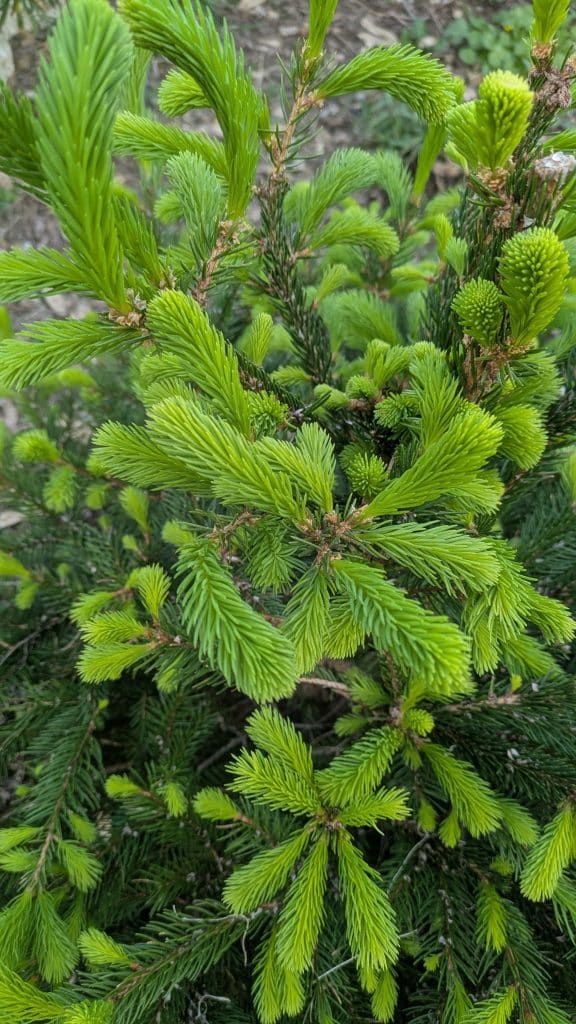
The young shoots appear in spring, in the form of small, tender outgrowths, of an almost luminous light green, at the ends of the branches.
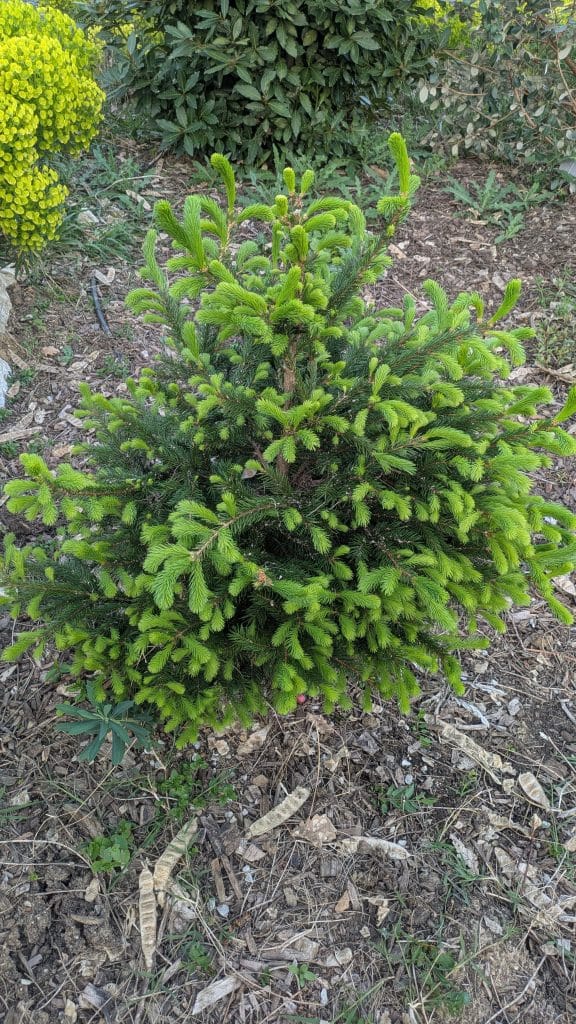
To the touch, they are soft, slightly sticky, and give off a fresh, resinous, lemony scent. These characteristics make them particularly interesting in cooking.
It is essential to clearly differentiate between:
- THE fir and spruce trees (soft, non-sharp needles),
- toxic species such as the yew, with flat, dark hands.
A reasoned harvesting approach is necessary: take sparingly so as not to weaken the tree.
The benefits of fir buds
Young shoots are veritable natural concentrates.
They are particularly rich in vitamin C, This makes it an interesting ally to support the body, especially during seasonal changes.
They are also known for:
- their respiratory properties (ideal for infusions),
- their effect invigorating and revitalizing,
- their gentle action on the respiratory tract.
When used regularly, they fit perfectly into a natural wellness approach. Don't hesitate to consult a naturopath.
How to use them in cooking
It is in the kitchen that fir buds reveal their full originality.
In syrup
When macerated with sugar, they produce a syrup with woody and slightly lemony notes, perfect for drinks, desserts or herbal teas.
As an infusion
Simple and effective, a handful of sprouts in hot water releases soothing and refreshing aromas.
In jelly
Combined with sugar and a gelling agent, they offer a surprising jelly, ideal with cheeses or as a sweet and savory accompaniment.
In the creative kitchen
They can also be used in many recipes. Here are a few ideas.
🥩 Spruce shoot flavored butter
Finely chop the buds and mix with butter. Mold into the chosen shape.
🥗 Fir bud pesto
💡 Variant Traditional pesto: Sprouts + oil + seeds (or pine nuts) + Parmesan cheese
🥩 Aromatic Marinade / Brine
Add chopped buds to meat marinades.
👉 Effect: reinforces the “forest” aspect”
🍯 Bud-flavored sugar
💡 Technique
Mix sugar and sprouts, then dry.
🎯 Usage pastries, toppings, cocktails
🧂 Fir-flavored salt
👉 Same logic as sugar
👉 Very interesting for: meats, vegetables and eggs
🫒 Infused oil to the spruce
💡 Technique Infuse cold or lukewarm
🎯 Result A very fragrant oil. Perfect for the finishing touch when plating a dish.
🍰 Cakes / pastries / cookies
💡 Tip Blend the finely chopped sprouts in fat (butter/oil) and use them in a cake, financiers, or cookies, for example.
👉 Much more even distribution
👉 Effect: very fine lemony and resinous notes
A word of advice: use them in moderation, like any active ingredient.
An experience to be lived beyond the picking
Beyond their culinary use, young fir shoots and buds offer above all a wonderful opportunity to reconnect with nature and the richness of flavors it offers.
With this in mind, at L'Escapade Nature et Gourmande we offer stays designed as parentheses outside of everyday life. The idea is simply to take the time to discover a preserved environment, to observe a living edible garden and to perceive its often discreet but fascinating resources.
The experience naturally extends to a cuisine inspired by vegetables and the seasons, as well as moments of exchange and...’workshops around the transformation and enhancement of products.
Without performance concerns, but with a focus on discovery and meaning, these moments invite us to explore differently, to taste differently, and to reconnect with a more sensitive and sustainable approach to life.